How to Manage Viticulture Health In Napa
Home – Viticulture Health Tips for Napa Vineyards
Grape Vine Health Strategies for Napa Valley
Healthy vineyards start with smart decisions—plant certified, disease-free vines and nourish the soil with compost and cover crops. Viticulture Health Management goes beyond planting; it includes using precision tools like soil moisture sensors and drip irrigation to water just enough for flavor and vigor. Practice proactive care by scouting for pests and diseases, especially in Napa’s unique microclimates.
Embrace organic methods like natural pest control, dung mulches, and native cover planting to boost resilience. Work with local vineyard and tree experts who understand Napa’s terrain and climate. This mindful care keeps your vines robust—and reinforces your Napa tree service’s ethos of local, thoughtful stewardship.
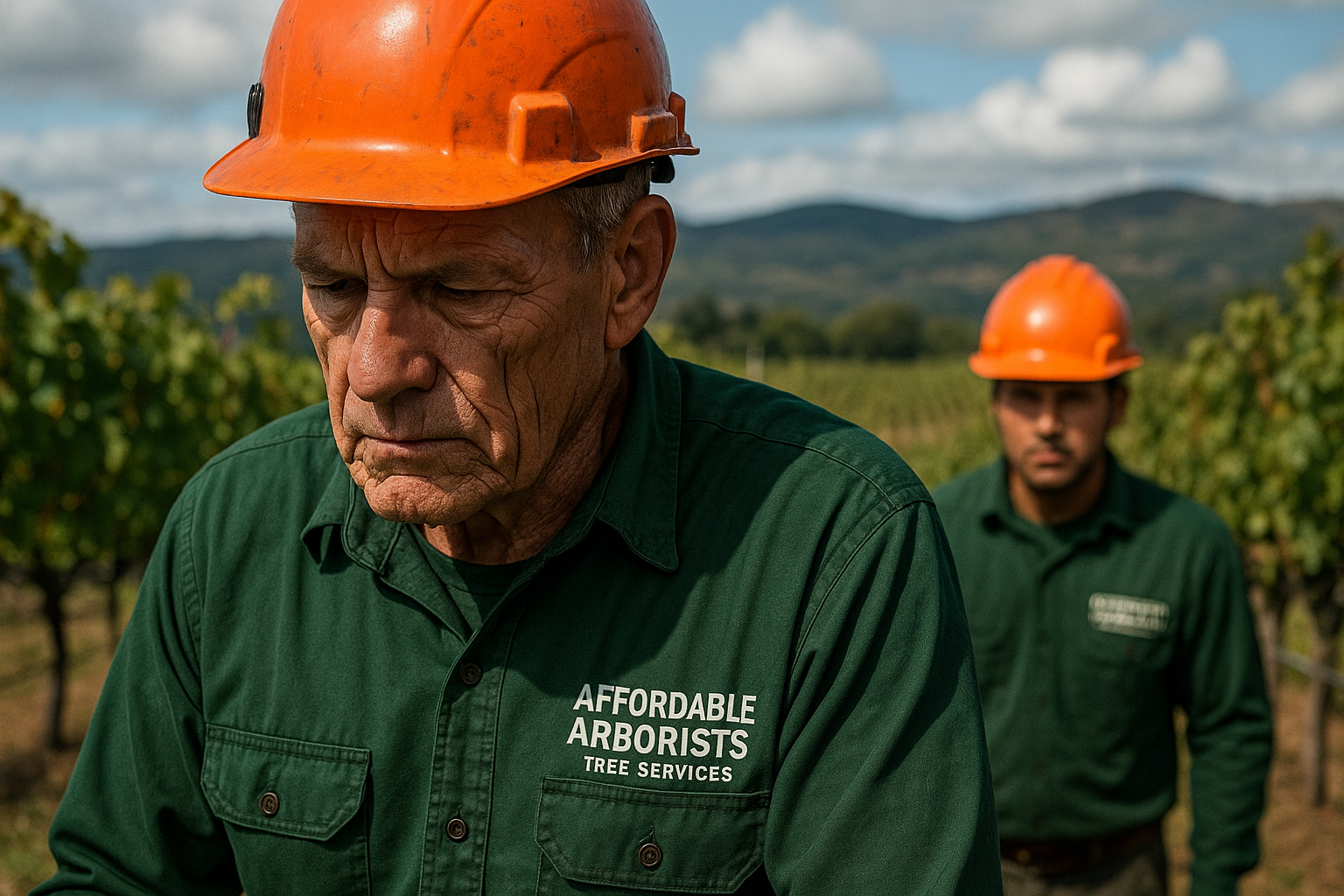
1. Start with Smart Plant Decisions and Local Expertise
Successful vineyards begin with clean, certified planting material. Using virus- and pathogen-free scion wood and rootstock limits the risk of long-term disease outbreaks. Napa Valley Grapegrowers (NVG) emphasize best practices for sustainable viticulture year-round. Their frost-protection and site-awareness recommendations are especially relevant to homeowners and small vineyard managers aiming to safeguard their vines in changing microclimates.
NVG also offers guidance on responsibly idling vineyards during tough market years—suggesting cost-saving steps like simplified pruning and minimal mowing to maintain vine structure and reduce fire risk.
2. Optimize Soil and Water Management
Napa Valley’s volcanic gravel loams and clay subsoils present both challenges and advantages for growers. Deep rooting in well-managed soil encourages healthier vines and more expressive grapes.
Building soil health through cover crops and compost is widely practiced. These methods improve soil organic matter, nutrient balance, beneficial insect habitat, and erosion resistance.
When it comes to irrigation, Napa’s dry summers necessitate a delicate balance. Controlled deficit irrigation—providing sufficient water during bud break and fruit set, then reducing it through ripening—enhances quality while avoiding overgrowth. Modern technologies like drip systems and moisture sensors give growers greater control over watering.
3. Embrace Precision Viticulture and Emerging Technologies
Precision viticulture empowers growers to make data-driven decisions. By mapping fields with GPS, satellite imagery, and soil sensors, vineyard managers can customize care—such as pruning, irrigation, or harvest timing—by micro-zone.
Recent advancements bring AI and autonomous tools into Napa’s vineyards:
AI-backed tractors can autonomously traverse vineyards, optimizing spraying and irrigation while reducing waste and labor fatigue.
Disease prediction models using remote sensing and machine learning enhance early detection, improving prevention strategies and reducing environmental impact.
These tools are increasingly accessible and pave the way toward smarter, more sustainable vineyard management.
4. Commit to Organic, Regenerative Practices
Longstanding Napa growers like Phil Coturri champion organic and biodynamic methods—no synthetic chemicals, cover cropping, beehives for pollination, and bird boxes for pest control, all enhancing vineyard balance. These practices are essential elements of Viticulture Health Management, promoting soil vitality and long-term sustainability.
Frog’s Leap Winery, another organic pioneer, practices dry-farming, uses solar power, composts, and embraces cover cropping to enrich soil and conserve water. These holistic approaches benefit not just vines, but also local ecosystems—and make for more expressive, terroir-driven wines.
5. Monitor Vine Health Proactively
Active monitoring saves vines—and profits.
Sap-flow sensors, pioneered by ventures like Fruition Sciences, measure real-time hydration and inform irrigation schedules to maximize water efficiency and grape quality.
Growers monitor soil moisture, pests, and vine stress throughout the summer season, adjusting canopy structure and crop load to protect resources and yield.Saviez Vineyards
Together, these tools enable proactive responses—rather than reactive ones—keeping vineyards robust.
6. Manage Risk and Long-Term Resilience
Napa grapegrowers face threats like Pierce’s Disease, costing the industry millions. Proactive disease management—testing, removing infected vines, and controlling carriers like mealybugs—helps protect the wider vineyard ecosystem.
NVG’s “idle vineyard” practices offer alternatives during market downturns: streamlined care that reduces costs without sacrificing vine health.
Simultaneously, staying informed through resources from NVG, Napa County Farmworker Foundation, and UC Master Gardeners’ Integrated Grape Team puts advantages in your hands—covering everything from safety protocols to soil sampling and layout planning.
Root Your Vineyard in Stewardship:
Great Napa estates thrive when they combine tradition with innovation. Practices like cover cropping, soil enrichment, precision irrigation, early diagnostics, and sustainable chemistry support long-term yield, vine health, and expression of place.
Final Thoughts
Viticulture Health Management in Napa is about far more than producing grapes—it’s about protecting a legacy. Each vine represents years of careful planning, and each harvest reflects decisions made throughout the growing season. From soil care to canopy management and from pest control to sustainable irrigation, every detail contributes to the health of Napa vineyards and the wines that follow.
With proper Viticulture Health Management and expert support, vineyard owners can ensure their vines continue producing world-class grapes for generations to come.
Brianna H. Buck
A leader in arboriculture and tree safety, Brianna H. Buck offers trusted guidance in residential, commercial & vineyard tree care.
Author | Partner
Get Expert Vineyard Advice
Optimize vine health and yields with trusted vineyard guidance from certified arborists and viticulture experts in Napa.
Latest Articles
No popular posts found